

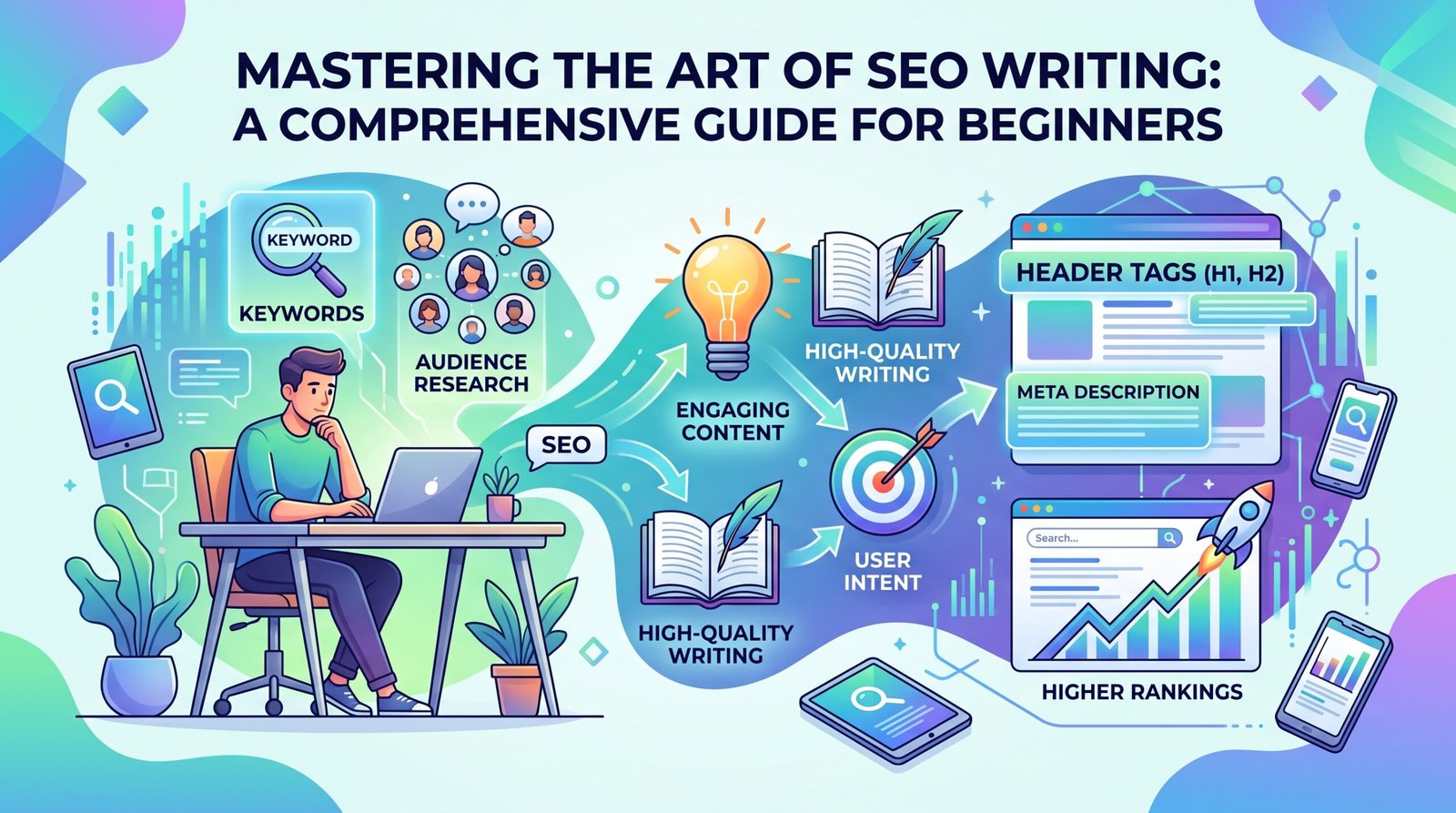
Mastering the Art of SEO Writing
Mastering the Art of SEO Writing: A Comprehensive Guide for Beginners
Welcome to this detailed guide on how to craft SEO-friendly content that not only ranks well but also engages your audience. This article will cover everything from understanding SEO basics to practical tips and best practices.
Understanding the Core of SEO Writing
SEO writing, or search engine optimization writing, is about creating content that not only aligns with user intent but also meets the technical requirements of search engines like Google. The primary goal is to improve your website’s visibility and ranking on search results pages, driving more organic traffic.
The Importance of SEO Writing
- Increased Organic Traffic: By improving your content’s relevance and quality, you can attract more visitors who are genuinely interested in what you have to offer.
- Better User Experience: SEO involves optimizing for readability, speed, and mobile-friendliness. This enhances the overall user experience on your site.
- Brand Credibility: High-ranking pages often gain trust from users, making them more likely to return or recommend your brand.
Practical Examples
To illustrate these points, let’s take a look at an example. Suppose you run a blog about tech gadgets. When writing a post on the latest smartphone model, your content should include keywords like “smartphone,” “best phone,” and “tech gadget.” Additionally, linking to credible sources such as tech reviews or comparisons can add value to your article.
Common Mistakes in SEO Writing
- Over-Optimization: Stuffing too many keywords into a single post can make the content seem unnatural and reduce its quality.
- Lack of Relevance: Focusing on irrelevant or outdated keywords can lead to poor rankings. Always ensure your content is up-to-date and relevant to current trends.
- Poor User Experience: Ignoring factors like page speed, mobile responsiveness, and readability can harm your site’s performance in search results.
Best Practices for SEO Writing
- Keyword Research: Use tools like SEMrush or Ahrefs to identify the keywords that your target audience is searching for. This will help you create content that matches user intent.
- On-Page Optimization: Ensure each page has a clear title tag, meta description, and header tags (H1, H2) optimized with relevant keywords.
- Content Quality: Write high-quality, valuable content that provides real value to your readers. This will keep them engaged and reduce bounce rates.
Useful Tips
- Incorporate multimedia elements like images, videos, or infographics to make your content more engaging and shareable.
- Create a sitemap for your website to help search engines understand the structure of your site better.
- Regularly update old posts with new information to keep them relevant and improve their ranking.
Frequently Asked Questions (FAQ)
| Question | Answer |
|---|---|
| How often should I update my content? | I recommend updating your content at least once a month. This keeps it relevant and helps maintain its ranking in search results. |
| What are some good tools for keyword research? | Popular options include SEMrush, Ahrefs, Moz Keyword Explorer, and Google Analytics. |
| Can I use the same keywords on every page? | No, each page should focus on a specific keyword or topic. Using similar terms across multiple pages can dilute their effectiveness. |
Conclusion
In conclusion, mastering SEO writing is essential for any blogger, educator, or content strategist looking to boost their online presence and drive meaningful traffic to their site. By following the best practices outlined in this guide, you can create high-quality, engaging content that ranks well on search engines while providing real value to your readers.